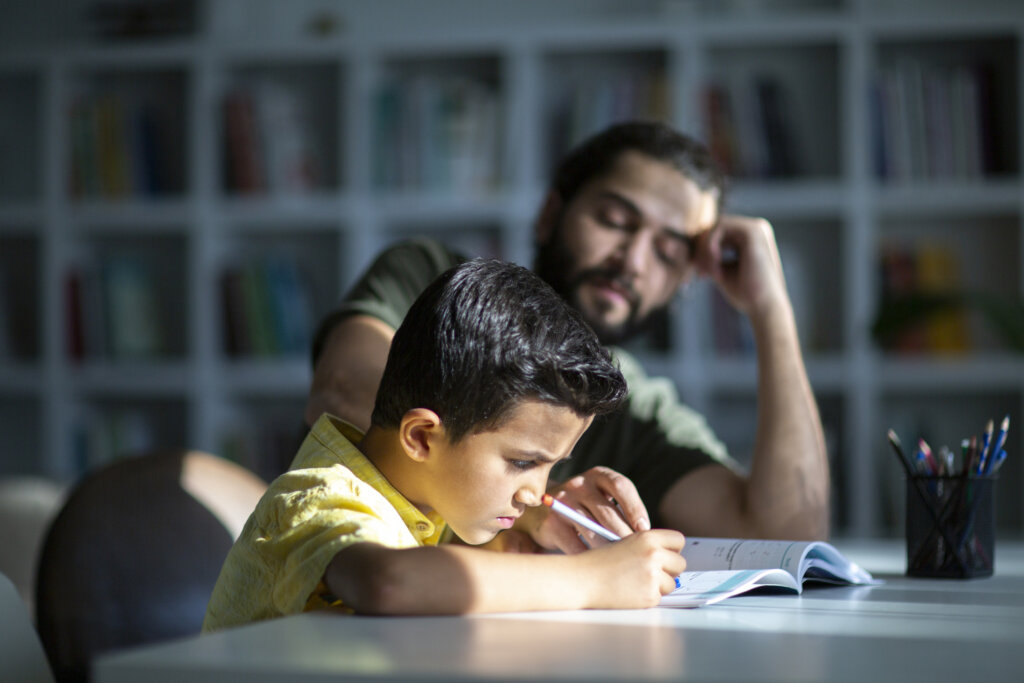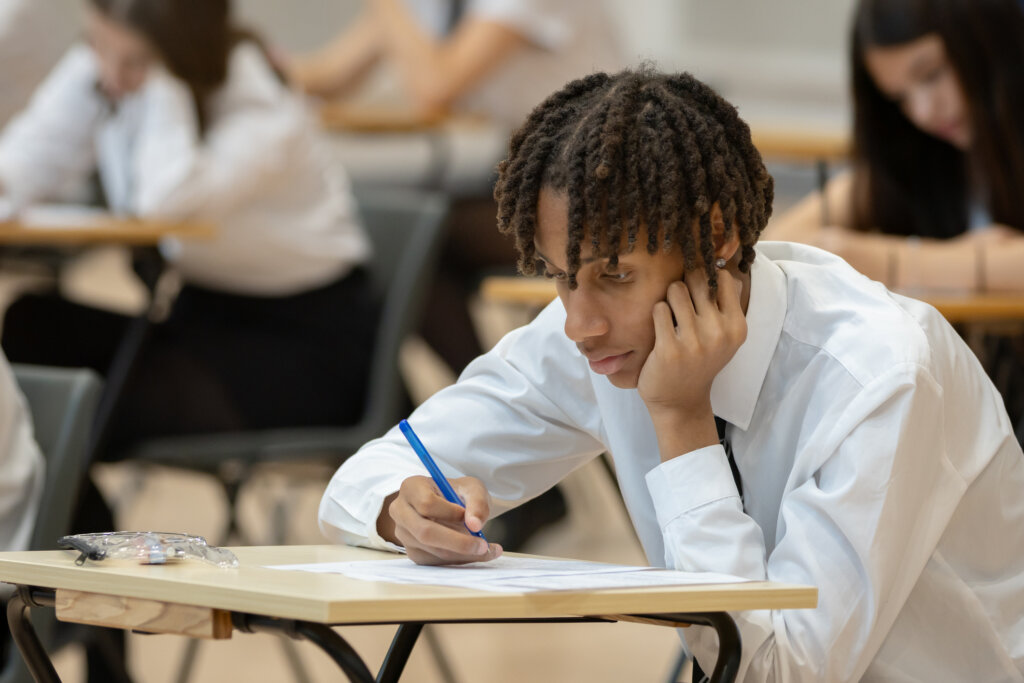


After the first week of school is over, the jitters lessen. The new school clothes have all been worn, and the new backpack is broken in. Homework has been assigned and grumbled about at home.
Once all the various back-to-school milestones have been met, the real school year begins.
Tests. Homework. Studying. But also, procrastinating. Daydreaming in class. Forgetting schoolwork.
Prevent last year’s school issues from reappearing with this First Month Checklist. It’s a quick & easy way to ensure that last year’s school struggles don’t make an appearance this year.
First Month Checklist: Back-to-School
Now that school is back in session, ensure that students are on track to avoid common pitfalls with this checklist.
1. First-Month Routines
Establish a Daily Homework Window
Homework is inevitable; the sooner students learn good homework habits, the less of a struggle they’ll face. Do homework at the same time every night, even if none was assigned. Review the day’s lessons, quiz yourself on last week’s work, or read ahead to next week’s lesson.
Set Healthy Screen Time Boundaries
Cellphones, tablets, and computers are among the biggest distractions for homework. Create a media routine with guidelines, such as charging devices outside the bedroom or at the desk, to help students get into the homework groove.
2. Organization Habits
Use Agendas & Planners Daily
Agendas are the number-one school organizational tool. Students should write homework, assignments, and to-do lists in their agendas daily. If schools don’t provide agendas, purchase one—they’re that important
Fix Forgetting & Misplacing Work
Forgetting work, misplacing assignments, or losing textbooks is a sure sign of an off-track student. If students are showing signs of disorganization, get help as soon as possible. Make sure kids have colour-coded binders, and that notes are being filed properly.
3. Homework & Study Skills
Avoid Procrastination Early
Leaving work to the last minute or not wanting to do work at all is a sign of poor organizational skills. Last-minute rushes mean poor preparation, which leads to poor grades. Avoid procrastination by establishing routines, using an agenda, and discussing school expectations daily.
Build Active Study Habits
Help students move past passive re-reading. Teach active study methods like flashcards, practice questions, and self-quizzing during their daily study window to retain information for tests.
4. Communication & Stress Tracking
Communicate with Teachers
Don’t wait until the first report card to find out that things are off track. Take 10 minutes to chat with the teacher, whether through phone, email, or SMS, about progress and nip any problems in the bud.
Watch Frustration & Stress Levels
Between learning new subjects and balancing homework, chores, and social lives, students can easily become overwhelmed. This can be very demotivating and can lead to a drop in grades. Get help as soon as it’s needed. Talk to them about school; if they are unwilling to discuss their day, something may be amiss. Talk to kids about their day and have an open dialogue about school and learning challenges.
Master back-to-school here with our handy guide.
Don’t Wait to Get Support
The first month of school sets the tone for the rest of the academic year.
If you notice persistent struggles with organization, rising frustration over homework, or procrastination taking over, don’t wait for the first report card to take action.
Early intervention is key to building confidence and preventing burnout. Enrolling in a personalized tutoring program early in the semester helps students establish strong study habits, close learning gaps, and stay on track for a stress-free school year.
Editor’s note: This post was originally written in 2016 and updated in 2026