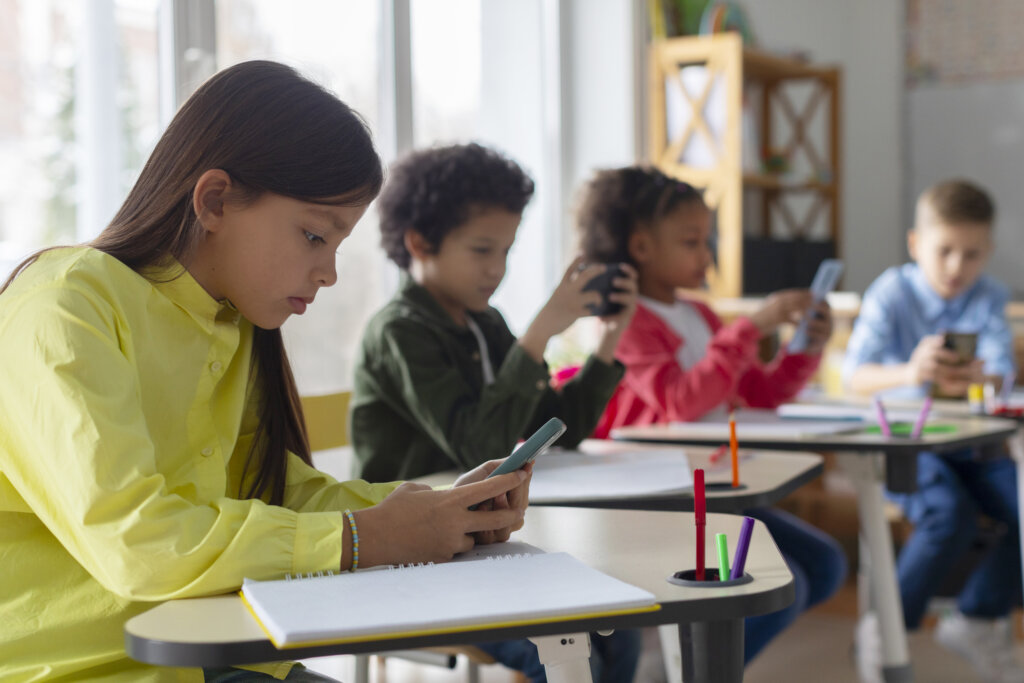

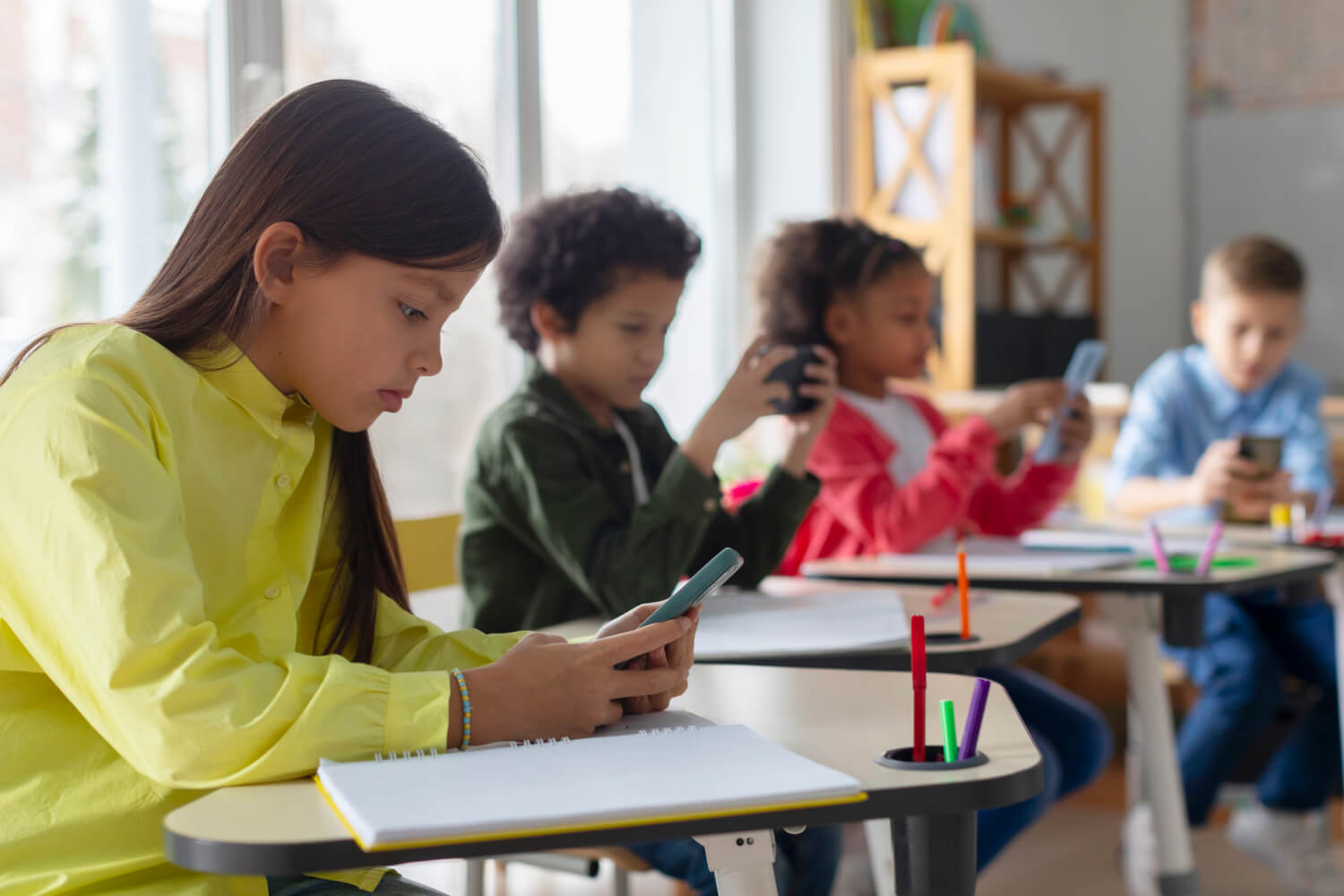
Social media has become a big part of students’ lives today. Pew Research shows that 90% of teens use social media daily. These platforms help young people stay connected with friends, share ideas, and explore interests. Yet, excessive social media use can also create challenges for both mental health and academic performance.
Heavy use of social media use during adolescence has been shown to increase anxiety, depression, and reduced cognitive performance. Teachers report that phones and social media are among the biggest distractions affecting learning.
Because of these concerns, many schools are introducing policies that limit cellphone use during the school day. But managing screen time is only part of the solution. Students need guidance on creating healthy digital habits that enable them to use technology responsibly while staying focused on their education.
Keep reading for effective strategies to help students create a healthier relationship with social media.
Why Social Media Can Affect Student Learning
For many students, social media is designed to capture attention for extended periods. Notifications, likes, and endless scrolling make it easy to lose track of time and difficult to focus on tasks like homework or studying.
Common academic challenges linked to excessive social media use include:
- Difficulty concentrating on homework or reading
- Procrastination and poor time management
- Interrupted study sessions due to phone notifications
- Reduced sleep from late-night screen use
- Increased stress and comparison with others online
When students spend hours online, they often have less time for studying, physical exercise, and in-person social interaction, all of which support healthy development and academic success.
1. Teach Digital Literacy Skills
One of the best ways to help students create healthier technology habits is through digital literacy education.
Digital literacy teaches students how to understand and use technology. It goes beyond basic computer skills and helps students critically think about how social media influences behaviour.
Important digital literacy topics include:
- Responsible social media use
- Online safety and privacy
- Managing screen time and distractions
- Understanding how algorithms influence content
- Being a respectful and responsible digital citizen
When students understand how social media platforms are trying to keep their attention, they are more likely to develop better self-control when using them.
Tutoring programs can reinforce these skills by helping students create focused, distraction-free study routines.
2. Encourage Students to Reflect on Their Social Media Habits
Many students rarely think about how social media affects their mood or productivity. Encouraging reflection can help them build stronger self-awareness and better self-regulation.
Parents and educators can start conversations by asking questions like:
- Why do you enjoy using social media?
- How do you feel after spending a lot of time online?
- Do certain apps make you feel more stressed or distracted?
- What other activities do you enjoy that don’t involve screens?
These discussions help students understand that moderation is key. They may also rediscover activities they enjoy, such as sports, reading, art, or spending time with friends in person.
3. Work With Families to Set Healthy Technology Boundaries
Helping students manage social media use works best when schools and families work together.
Parents can support healthy digital habits by:
- Setting clear screen-time expectations
- Encouraging phone-free homework time
- Creating device-free times during the evening
- Showing balanced technology use themselves
When students receive consistent messages about responsible technology use at home and at school, they are more likely to adopt long-term habits that support learning.
4. Create a Positive and Supportive School Environment
For some students, social media provides a sense of connection or belonging. Because of this, schools must also focus on building supportive learning environments where students feel valued and included offline.
Schools can help by:
- Encouraging positive classroom communities
- Addressing cyberbullying quickly and effectively
- Providing trusted adults students can talk to about online concerns
- Promoting activities that strengthen real-world friendships
When students feel supported at school, they are less likely to rely on social media for social validation.
5. Involve Students in Technology Policies
Students are more likely to respect rules when they feel their opinions are taken into account.
Schools can improve technology policies by inviting student input when discussing:
- Phone use during the school day
- Managing technology distractions in class
- Creating balanced digital expectations
Including students in these conversations helps them take ownership of their technology habits, making policies more effective and realistic.
Helping Students Balance Technology and Learning
Whether we like it or not, social media will continue to be part of students’ lives. The goal is not to eliminate it, but to help students build the skills needed to manage it effectively.
We often see how reducing distractions and building better study routines can significantly improve focus, confidence, and academic performance.
When students learn to balance technology with their learning responsibilities, they are better prepared to succeed both in school and beyond.
Looking for a focused, phone-free learning environment where students can build strong study habits?
Our tutors help students improve concentration, confidence, and academic performance.