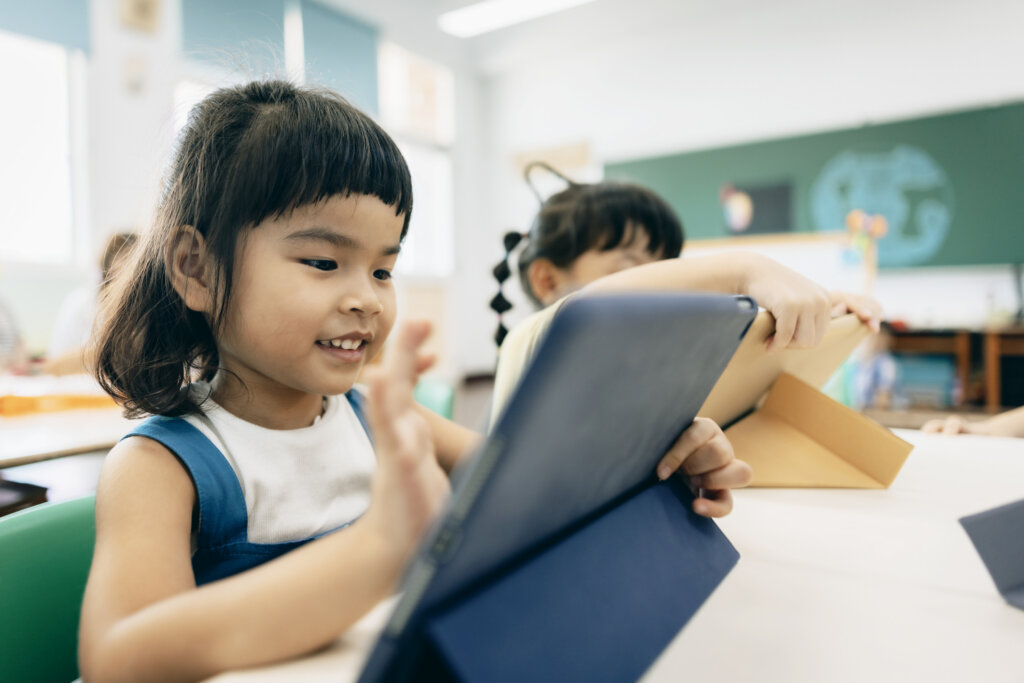


Over the past few years, screens have become a bigger part of both home life and the classroom, even for the youngest students. In many schools, iPads, learning apps, and online videos are now part of daily lessons for kindergarten and elementary students.
When used appropriately, technology can support meaningful learning. But more and more parents are wondering: How much screen time is too much for young children?
For students who are just beginning their school journey, the balance between digital learning and hands-on experiences can make a big difference. These early years are when children develop focus, social skills, and the foundational academic abilities that support future learning.
Why Screen Time in Early Grades Is Raising Questions
During the pandemic, schools quickly turned to technology to allow students to continue learning from home. Even though classrooms have returned to in-person learning, many of those digital tools have stayed.
As a result, tablets and videos are sometimes used throughout the school day, something that has surprised many families. A recent article from The Hechinger Report explores how some parents are pushing back on the amount of screen time young students experience in school.
Students may use devices in class for things like:
- Practising math or reading on apps
- Watching instructional videos
- Completing assignments online
- Participating in interactive learning activities
While these tools can be helpful, some parents and educators worry that excessive screen time may take away from important learning experiences, such as interacting with classmates, practising handwriting, or solving problems with physical materials.
Young Learners Benefit from Hands-On Learning
For many elementary students, learning happens best when it’s active, social, and engaging.
Hands-on learning helps children understand concepts more deeply. Activities like these can make a big difference:
- Solving math problems using visual tools
- Reading printed books and talking about the story
- Writing, drawing, and practicing fine motor skills
- Working with friends to solve problems or play learning games
This kind of hands-on learning helps children strengthen their attention span, build confidence, and develop critical thinking skills, all of which are important for long-term academic success.
Finding the Right Balance with Technology
Technology itself isn’t the problem. Technology can be a powerful learning tool when it’s used intentionally.
Many of us agree that the key is balance. Technology should support learning, not replace the meaningful social and hands-on activities that help young students grow.
A balanced approach might include:
- Using screens for specific learning activities
- Limiting passive screentime
- Encouraging discussion and interactive lessons
- Making sure children still spend plenty of time learning away from screens
When used thoughtfully, technology can complement learning.
How Parents Can Support Learning at Home
If you’re unsure how much screen time your child is getting during the school day, there are simple ways to create balance at home.
Some screen-free activities that support learning include:
- Reading physical books together
- Playing math or logic games
- Writing stories or keeping a journal
- Working on puzzles and problem-solving activities
- Talking about what your child learned at school
These activities help to reinforce important academic skills while also giving children a healthy break from screens.
Discover some fantastic tips on how to help your child with healthy social media and screen time habits here.
Extra Academic Support Can Make a Difference
For some students, additional academic support can also make a big difference. Personalized tutoring gives children the opportunity to ask questions, practice skills, and learn through more hands-on instruction.
Working with a tutor can help students strengthen key academic skills while building confidence in their abilities.
Support Your Child’s Learning Beyond the Screen
Personalized tutoring helps students stay engaged with hands-on learning, build strong academic skills, and gain confidence in reading, writing, and math.
Find a location near you to learn how we can help your child succeed.