

In today’s fast-paced, screen-filled world, boredom is often viewed as something to be avoided. However, for students, boredom can actually be a powerful tool that boosts learning. When used correctly, it helps kids think more deeply, retain information better, and develop creativity, all skills that make tutoring sessions and study time far more effective.
Here’s how boredom boosts learning and how parents and students can make the most of downtime.
How Boredom Boosts Learning
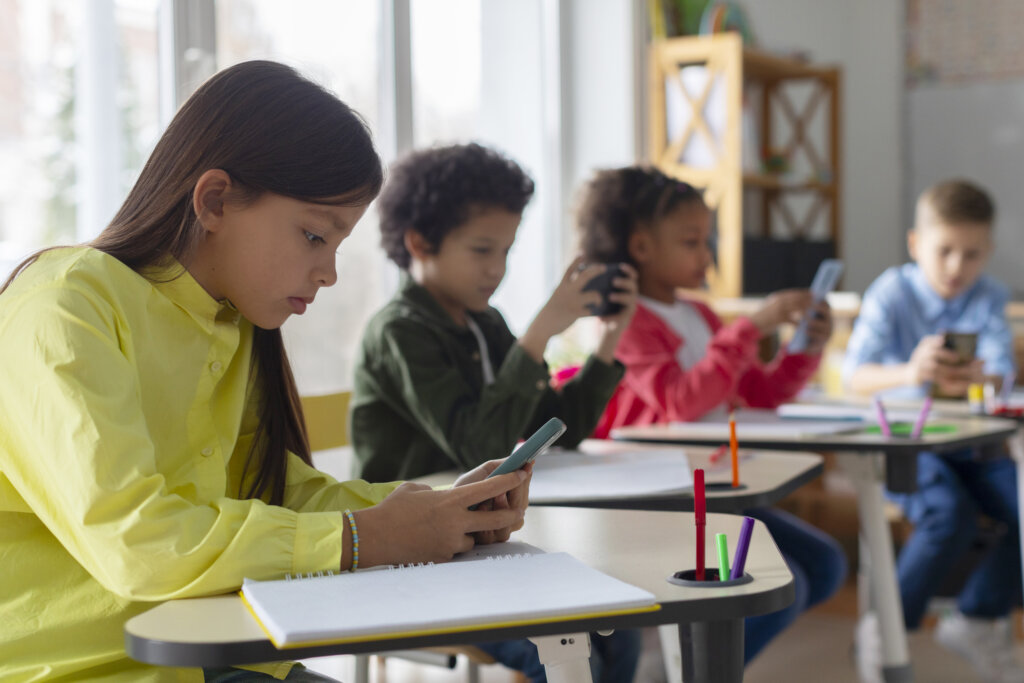
When students are not constantly distracted by phones, screens, or continual stimulation, their brains naturally shift into a reflective state. In this state:
- Connections are formed: Students can link new concepts to existing knowledge.
- Information is processed: Instead of memorizing, the brain truly understands the material.
- Critical thinking occurs: By asking questions, students explore “what if” scenarios and solve problems creatively.
- Focus and patience improve: Tolerating boredom builds the ability to concentrate for longer periods.
Boredom isn’t a sign that learning isn’t happening. On the contrary, it creates the mental space where deep thinking, understanding, and creativity can flourish.
Why Students Benefit From Boredom
1. Stronger Understanding and Retention
When students rush through assignments or tutoring sessions, they often miss the chance to internalize the information. Brief moments of pause allow the brain to organize ideas and make sense of new knowledge, improving long-term retention.
2. Enhanced Creativity and Problem-Solving
Boredom encourages imagination. When students aren’t constantly entertained, their minds begin to explore possibilities. This can spark innovative solutions and help students develop independent thinking skills.
3. Improved Focus and Concentration
By learning to sit with boredom, students strengthen their ability to focus. This makes study sessions, homework, and tutoring more effective — and reduces the need for constant guidance.
4. Greater Emotional Resilience
Learning isn’t always easy, and students need to tolerate small struggles. Moments of boredom teach patience and resilience, preparing students to face challenges in school and beyond.
Practical Tips for Parents and Students
Here are some ways boredom boosts learning and how to turn it into a learning advantage:
- Encourage reflection: After a lesson, ask your child what they learned and what questions they still have.
- Promote independent problem-solving: Let students attempt a problem before offering them help — it strengthens their critical thinking.
- Allow creative exploration: Encourage doodling, writing, or brainstorming around a topic.
- Take short screen-free breaks: Even a few minutes of quiet thinking helps the brain process information.
- Ask curiosity-driven questions: “What if…?” and “Why do you think…?” prompt deeper thinking.
We integrate these strategies into our tutoring sessions to help students learn more effectively and build lifelong study skills.
A Message for Parents
If your child seems bored while studying, don’t worry. This is often a sign that their brain is actively processing information. Instead of filling every moment with activities or content, allow them space to pause and think. This builds independence, focus, and a stronger understanding of what they’re learning.
A Message for Students
Next time you feel bored, embrace it. Ask yourself:
- What do I already understand?
- What am I curious about?
- How could I explore this topic differently?
These moments of reflection can lead to breakthroughs in understanding, spark creativity, and make learning feel more meaningful.
How Tutoring Can Help
Our tutors don’t just teach students to complete assignments — we teach them how to think, reflect, and solve problems independently. By incorporating structured reflection and “thinking time” into every session, we help students turn boredom into a powerful learning tool.
With the right guidance, students can transform idle moments into opportunities for growth — improving focus, creativity, and confidence along the way.
Sometimes, the most effective tool for learning isn’t a textbook, an app, or even a tutor; it’s a little bit of boredom.